The Case for Ryan Mitchell: Cardinals' Best-Kept Hitting Secret
By Taylor Anderson ·
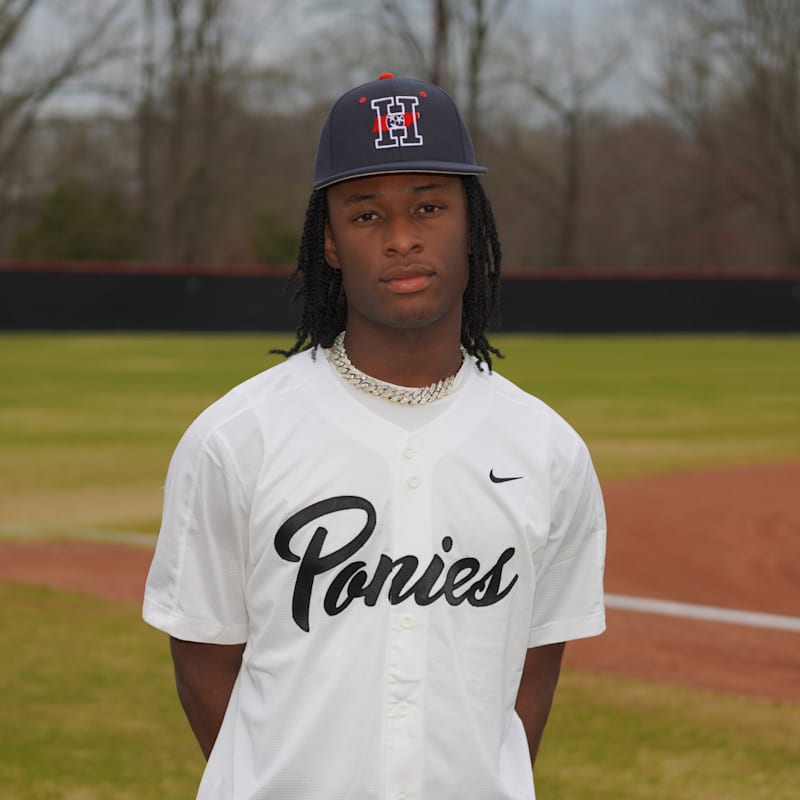
When the Cardinals announced Ryan Mitchell as a center fielder on draft day, they were signaling something bigger than a position change—they were admitting the 18-year-old already knows how to hit, and everything else is just finding the best place to do it.
Why it matters
Ryan Mitchell represents the exact type of high school hitter the Cardinals historically excel at developing. He arrives with an advanced hit tool, genuine athleticism, and the kind of selectivity at the plate that doesn't typically show up until a kid has already been through a few minor league levels. His $2.25M bonus—roughly $530K over slot for pick 55—tells you the organization didn't see a developmental project. They saw a finished hitter who needs pro experience, not a hitter who needs to be built. He currently ranks 13th on the Cardinals prospect list, but he could be a quick riser with a fast professional start.
The timing matters too. After three consecutive playoff-less seasons, St. Louis is in full rebuild mode. Mitchell isn't a quick-fix contributor, but he's the type of foundational piece that makes rebuilds actually work—young, projectable, with elite contact skills and room to grow into power. At 18, he has nearly a decade of development runway.
Key details
Mitchell's senior season at Houston High School (Germantown, TN) was genuinely spectacular. He hit .462 with a .615 on-base percentage and a 1.547 OPS while leading the Mustangs to the 4A sectionals. The context matters: this wasn't inflated numbers against weak competition. He earned Gatorade's Tennessee Baseball Player of the Year and the Commercial Appeal's Player of the Year honors while also being a finalist for the Tennessee Mr. Baseball award. Perfect Game ranked him as the 24th-best player in the country and Tennessee's clear top prospect heading into the draft.
His offensive profile screams elite contact hitter. Mitchell walked 49 times against just strikeouts that suggest he doesn't chase. He stole 39 bases in what appeared to be nearly 40 attempts, showing both instinct and speed. The power isn't massive—12 home runs and 13 doubles in a high school season—but scouts believe that's about feel and approach rather than raw ability. As one scouting report noted, his swing is geared toward line-drive contact, and added loft could push his power projection up half a grade or more.
Houston High School coach Lane McCarter's praise felt almost excessive, but it captured what scouts already knew: "Every time he steps into the batter's box, it feels like a can't-miss moment. He has the maturity of a veteran major league player and the plate discipline of a future Hall of Famer."
80Grade angle
What makes Mitchell fascinating from a developmental standpoint isn't what he does well—it's what scouts still don't fully know. He defeated premium high school competition with a disciplined approach and exceptional barrel awareness. His bat speed plays. His ability to hit the ball to all fields is legitimate. But he's never faced triple-digit fastballs. He's never had to adjust to big league breaking balls. He's never played a full professional season.
The position flexibility adds intrigue. Mitchell played shortstop throughout his amateur career but projects as a center fielder or right-side infielder. Unlike some prospects who get moved because they lack the tools to stay up the middle, Mitchell's move is about optimization. His arm and range at short are average, and his athleticism actually plays better in the outfield. Compare that to the Dee Strange-Gordon comp—another elite-contact player who thrived after moving off the dirt. Mitchell projects to hit for more power than Strange-Gordon ever did, which makes him potentially the higher-upside player.
Mitchell could end up with average or better grades across the board, giving him a realistic shot of patrolling CF in St. Louis and making an occasional All-Star team.
What's next
Mitchell is projected to start in the Florida Complex League. The 2026 season will be his first real test against professional pitching, likely in Low-A. Expect the Cardinals to be patient. High school hitters who sign big bonuses don't need rushed timelines. What matters is that Mitchell sees advanced competition at a sustainable pace, works with hitting coaches who understand his strengths, and slowly answers the biggest question: can elite amateur hitting translate to the professional game?
At worst, he's a long-term development project who might struggle early against velocity and secondary stuff. At best, he's the next polished high school position player the Cardinals turned into a consistent producer. Given the organization's track record with similar profiles, betting on Mitchell's floor feels safer than betting against his ceiling.